Everything About Thyroid Disorders: Difference Between Hypothyroidism and Hyperthyroidism Treatment in Kharghar
palvia on 20 May, 2026 | Comments Off on Everything About Thyroid Disorders: Difference Between Hypothyroidism and Hyperthyroidism Treatment in Kharghar
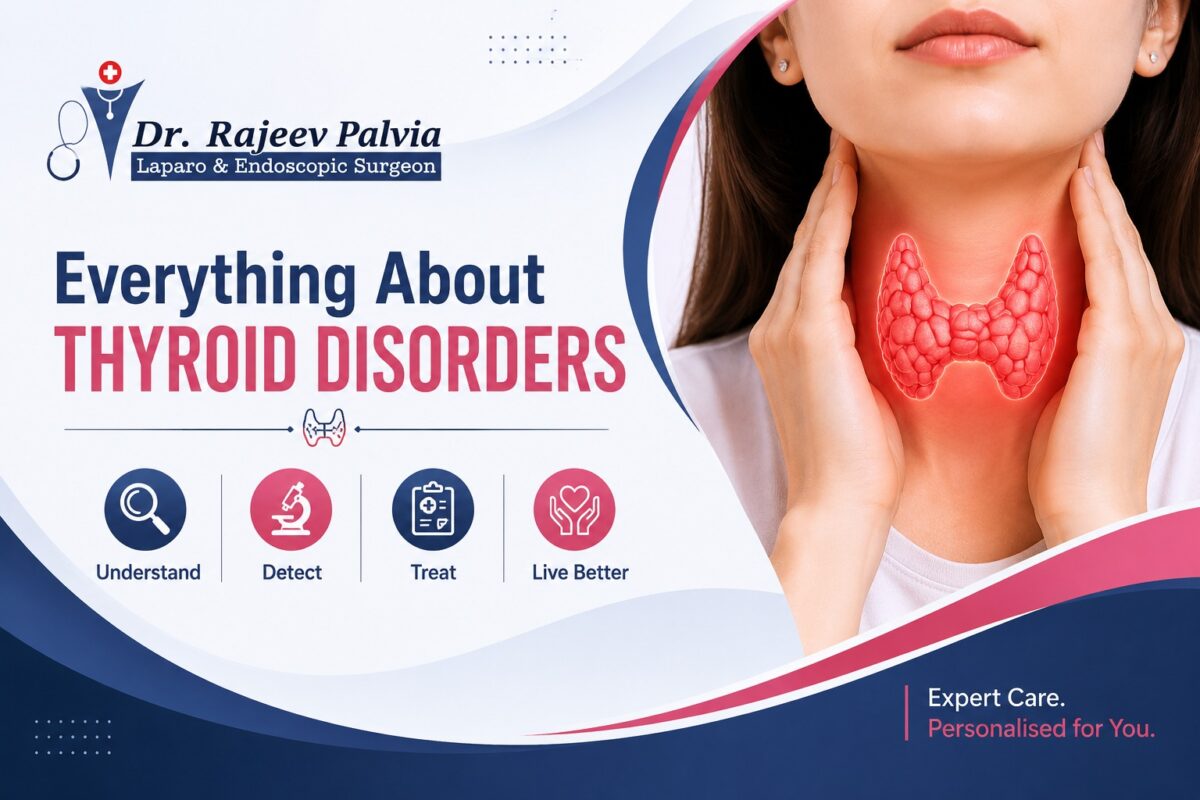
Most people never think about their thyroid until something goes wrong. This small, butterfly-shaped gland sitting at the base of your neck silently controls how your body burns energy, manages weight, regulates mood, and maintains heart function. The moment it stops working correctly, you begin to feel it in ways that are hard to ignore. For residents actively looking for Expert Thyroid Treatment in Kharghar, understanding what separates hypothyroidism from hyperthyroidism is the very first step toward reclaiming good health.
What Happens When the Thyroid Underperforms — Hypothyroidism
Hypothyroidism develops when the thyroid gland fails to produce enough hormones for the body’s daily needs. As hormone levels decrease, the body gradually slows down, affecting everything from heart function to digestion and mental clarity. In addition, the condition can reduce energy levels and interfere with normal metabolic activity.
Common Symptoms of Hypothyroidism
People with an underactive thyroid often notice symptoms that slowly become more severe over time. Because the condition develops gradually, many individuals ignore the early warning signs.
Common symptoms include:
- Feeling exhausted even after a full night of sleep
- Gaining weight despite no significant changes in eating habits
- Developing dry, thin, and brittle hair
- Noticing rough, flaky, or dull skin
- Struggling with memory and concentration
- Feeling unusually cold compared to others
- Experiencing bloating, constipation, and slow digestion
- Having heavier, longer, or irregular menstrual cycles
What Causes Hypothyroidism?
Hashimoto’s thyroiditis remains one of the most common causes of hypothyroidism. In this autoimmune disorder, the immune system attacks healthy thyroid cells and gradually reduces hormone production.
Furthermore, the condition progresses slowly, which makes diagnosis more difficult in the early stages. As a result, many people mistake symptoms such as fatigue, low energy, or mild weight gain for stress, ageing, or lifestyle-related changes. Consequently, they often delay medical treatment until the symptoms become much more noticeable.
What Happens When the Thyroid Overperforms — Hyperthyroidism
On the flip side, hyperthyroidism occurs when the thyroid gland produces hormones in excess. Every cell in the body receives more stimulation than it needs, causing systems to work faster and harder than they should. The result is a body that feels constantly switched on with no off button.
Key warning signs of an overactive thyroid include:
- Heart pounding rapidly or beating with an irregular rhythm
- Dropping weight without any deliberate effort or diet change
- Sweating profusely and feeling overheated in mild weather
- Feeling anxious, on edge, and emotionally reactive without obvious reason
- Noticeable trembling or shaking in the fingers and hands
- Rushing to the bathroom far more frequently than usual
- Eyes appearing more prominent or protruding than normal
Graves’ disease, an autoimmune condition, drives the majority of hyperthyroidism cases. Without proper treatment, the heart and bones bear the heaviest long-term consequences.
Difference Between Hypothyroidism and Hyperthyroidism
Though both conditions affect the same gland, their impact on the body is completely contrasting. The comparison below covers every major health dimension to help you understand what sets them apart:
Because a handful of symptoms overlap between both conditions, attempting to self-diagnose is both unreliable and risky. The only dependable way to confirm which disorder is present is through professional blood work covering TSH, Free T3, and Free T4 values assessed by a qualified physician.
Getting an Accurate Diagnosis
A simple TSH blood test is typically the starting point. Elevated TSH points towards an underactive thyroid, while suppressed TSH raises suspicion of an overactive one. From there, doctors examine free T3, free T4, and thyroid antibody markers to pinpoint the precise cause and rule out other conditions.
In select cases, further investigation through a thyroid ultrasound or radioactive iodine uptake scan may be recommended. Patients searching for Expert Thyroid Treatment in Kharghar should choose a specialist who approaches diagnosis methodically and does not rush into treatment without a full clinical picture.
Treatment That Is Built Around You
For an underactive thyroid, daily levothyroxine tablets are prescribed to compensate for what the gland is not producing. Dosage is reviewed and adjusted through repeat TSH tests until hormone levels settle comfortably within the normal range.
For an overactive thyroid, doctors choose between anti-thyroid medications, radioactive iodine therapy, or surgery depending on how severe the condition is and how the patient’s body has responded. Supportive medications like beta-blockers are often included early on to ease heart-related discomfort. Patients across the region seeking Thyroid Treatment in Navi Mumbai deserve a treatment strategy built specifically around their lab reports, age, lifestyle, and health history rather than a standard textbook approach.
Long-Term Care Is Non-Negotiable
A thyroid condition does not disappear after the first prescription. Hormone levels shift throughout life in response to stress, pregnancy, ageing, and other medical treatments. Missing follow-up appointments or stopping medication independently can quietly set recovery back by months.
Dr. Anjali Palvia firmly holds that a well-informed patient heals better. Teaching patients to understand their own reports, recognise early symptom changes, and make supportive lifestyle choices transforms them from passive receivers of care into active managers of their own wellbeing.
Conclusion
Thyroid disorders are far more widespread than most people expect yet both hypothyroidism and hyperthyroidism respond well to treatment when identified in time. Early testing, personalised care, and long-term follow-up together form the backbone of successful thyroid management.
Dr. Anjali Palvia and her team are committed to providing thorough, individualised care for every patient seeking Expert Thyroid Treatment in Kharghar. If unexplained symptoms have been weighing you down or you simply want clarity on your thyroid health, now is the right time to act book your appointment and begin your path to recovery.