Abdominal Surgery in Kharghar: Common Conditions That May Require Surgical Treatment
palvia on 22 June, 2026 | Comments Off on Abdominal Surgery in Kharghar: Common Conditions That May Require Surgical Treatment
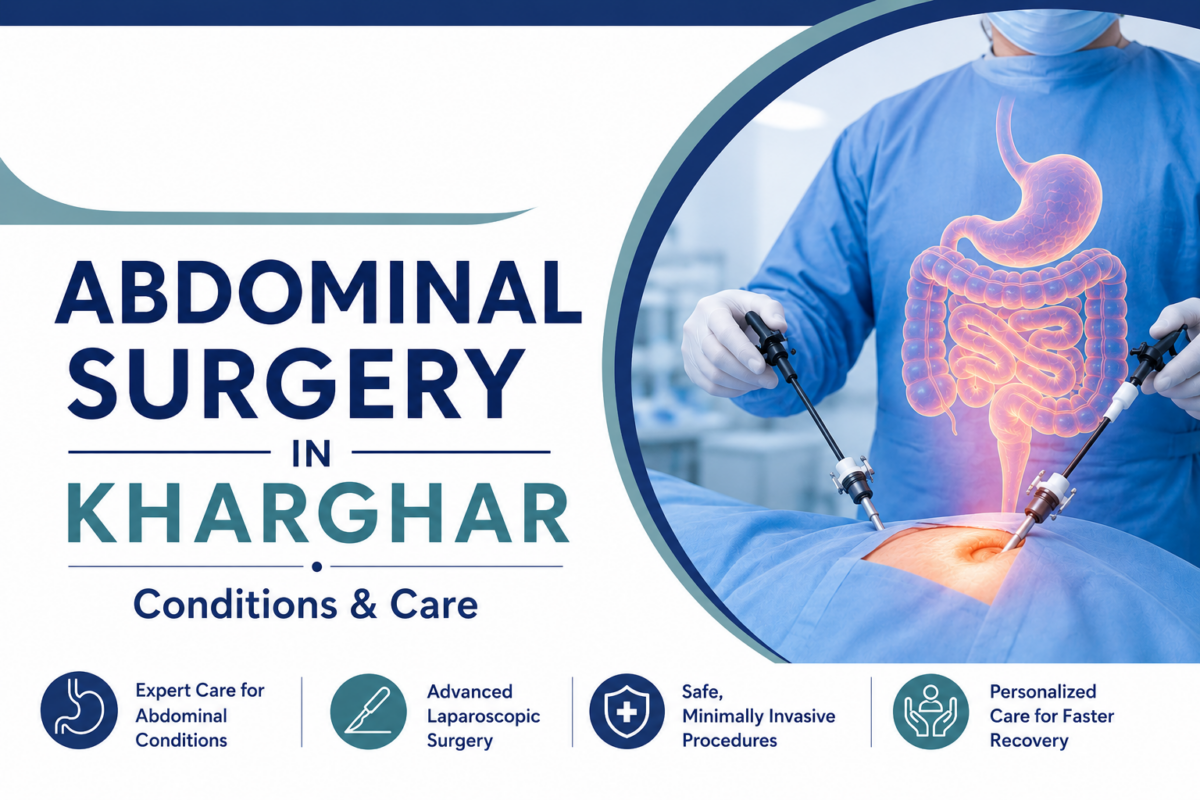
A trip to the doctor for stomach pain is one of the most frequent reasons people seek medical care, yet several abdominal problems start out feeling like nothing more than a passing ache. Conditions such as appendicitis, gallstones, hernias, and blocked intestines can quietly progress until surgery becomes the only safe option. Knowing the warning signs and treatment options for Abdominal Surgery in Kharghar helps people act before a minor issue turns into an emergency.
What Is General Surgery?
General Surgery covers procedures involving the stomach, intestines, gallbladder, abdominal wall, and surrounding soft tissue. Surgeons step in during crises, like a burst appendix, and also handle planned operations such as gallbladder removal, managing everything from initial testing through the operation and recovery. General surgery in Kharghar has advanced considerably, with local hospitals now investing in modern scanning equipment, laparoscopic tools, and teams trained to manage both urgent and planned cases efficiently.
Common Conditions That May Require Abdominal Surgery
- Appendicitis sets in when the appendix gets obstructed, triggering swelling that can burst within two to three days if untreated. Pain usually starts near the belly button before shifting to the lower right side, along with fever and nausea. Surgically removing the appendix is the standard fix.
- Gallstones form when bile carries excess cholesterol or bilirubin, allowing solid deposits to develop. Being overweight, losing weight too quickly, and a fat-heavy diet all raise the risk. A stone lodged in the bile duct causes sharp upper-right abdominal pain. Removing the gallbladder through a cholecystectomy stops the stones from returning.
- A hernia forms when tissue pushes through a weak spot in the muscle wall, often from heavy lifting or chronic coughing. Surgeons typically repair the gap with mesh to strengthen the area and prevent recurrence.
- Blockages in the intestine, stemming from scar tissue, growths, or bowel disease, bring cramping, bloating, and vomiting. Depending on severity, treatment ranges from letting the gut rest to surgically clearing the obstructed segment.
- A perforated peptic ulcer happens when an untreated ulcer eats through the stomach wall, calling for urgent surgery to seal the opening and prevent infection from spreading.
- Diverticulitis, common after age 40, stems from small inflamed pockets in the colon wall; recurring or complicated cases often require removing part of the colon. Abdominal growths, harmless or cancerous, are usually found through scans and biopsies, with surgery forming a core part of treatment.
Many of these conditions respond well to today’s Abdominal Surgery in Kharghar, particularly when caught early and treated with minimally invasive techniques.
Symptoms That Should Not Be Ignored
A few warning signs call for prompt evaluation: sudden, intense stomach pain, vomiting that won’t let up, fever paired with belly tenderness, blood in the stool, unexplained weight loss, visible swelling, and trouble passing gas or stool. A timely surgical consultation can prevent rupture, infection, or sepsis.
Why Choosing an Experienced General Surgeon Matters
The surgeon a patient chooses plays a major role in how smoothly the operation and recovery go. A seasoned general surgeon in Kharghar runs thorough diagnostic checks before deciding whether the right path is observation, medication, or surgery. Dr. Palvia pairs sharp clinical judgment with a communication style that puts patients at ease, ensuring they understand their condition and options. Leaning on minimally invasive laparoscopic methods, Dr. Palvia aims to limit surgical trauma, shorten hospital stays, and help patients return to daily life sooner.
Importance of Early Diagnosis and Modern Technology
Ongoing belly pain, fever with digestive trouble, sudden weight loss, or visible swelling are signals that shouldn’t be ignored. Laparoscopic techniques rely on tiny cuts and precision tools rather than large openings, meaning less blood loss, smaller scars, and shorter hospital stays. Those exploring General Surgery in Navi Mumbai increasingly benefit from these methods, now standard for routine and complicated cases alike.
Recovery After Abdominal Surgery
Recovery speed depends on the operation performed, along with age and general health. Surgeons provide guidance on wound care, diet adjustments, easing back into activity, and medication, with checkups scheduled to track healing. Those pursuing comprehensive General Surgery in Navi Mumbai benefit from uninterrupted care spanning diagnosis through full recovery.
Frequently Asked Questions
- Does abdominal surgery always involve a large cut? Not necessarily. Many operations today are done laparoscopically through tiny incisions, shortening recovery and leaving less scarring.
- How much time does healing take? It depends on the procedure and overall health; simple laparoscopic surgeries may need only a few days, while more involved operations can take several weeks.
- When is the right time to see a general surgeon? Ongoing pain, swelling, vomiting, fever, or shifts in bowel habits warrant a prompt visit.
Final Thoughts
Even though many abdominal problems start off feeling mild, delaying treatment can let them spiral into something far more serious. Be it appendicitis, gallstones, a hernia, or a blocked intestine, early evaluation by a skilled general surgeon leads to safer treatment and smoother recovery. Anyone dealing with ongoing stomach discomfort should consider expert Abdominal Surgery in Kharghar, since catching the problem early so often results in a better outcome.